In this article
Shorts are different from long-form. The rules are different, the attention window is different, and what converts is different.
Most idea lists treat Shorts like miniature long-form videos. They’re not. A Short lives or dies in the first two seconds — not the first two minutes. The hook is everything.
This list gives you 60 Shorts ideas organized by what you’re trying to achieve: reach, subscribers, leads, or sales. Pick your goal, pick a format, adapt the angle to your niche, and post.
How Does YouTube Shorts Work and What Does That Mean for Your Content Ideas?
YouTube’s Shorts feed is algorithm-driven, not search-driven. Unlike long-form videos that get found through search for months, Shorts surface through the feed — which means they compete on engagement speed, not keyword match. YouTube’s official guidance on Shorts covers how the feed works and what the platform recommends for visibility.
That changes which ideas work.
High-engagement formats for Shorts:
- Fast reveals (the hook is a question; the video answers it)
- Before/after (visual contrast, minimal narration)
- Myth vs. reality (pattern interrupt)
- Quick tips with a payoff in under 60 seconds
- “Did you know” facts in your niche
Low-engagement formats for Shorts:
- Long introductions
- Tutorials that require following along (too much cognitive load)
- Soft-spoken, low-energy delivery
- Anything that takes more than 10 seconds to get to the point
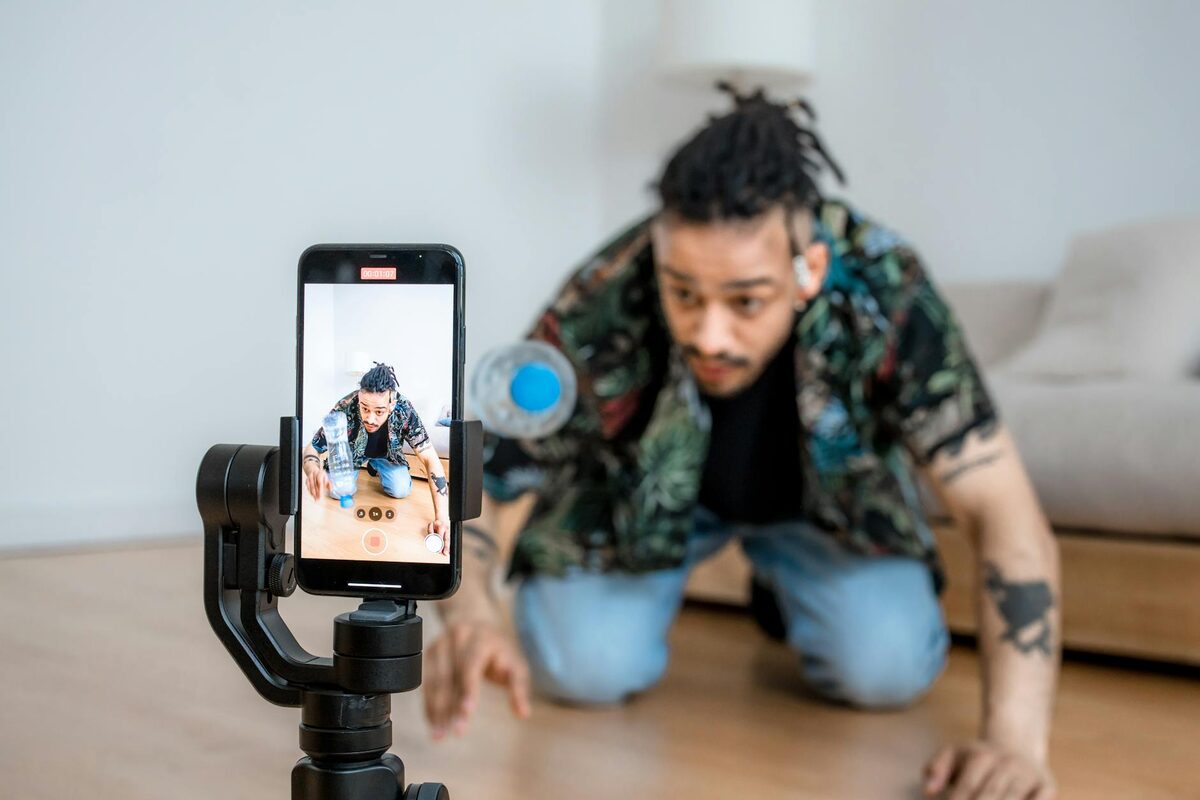
The ideas below are designed for the Shorts environment — fast hooks, clear payoff, no filler.
Which Quick Tip YouTube Shorts Ideas Help You Reach New Viewers?
Quick tips are the easiest Shorts to script and the most shareable format in most niches. The formula: one problem, one solution, delivered in under 45 seconds.
Hook pattern: “Most [niche] creators don’t know this…” or “The fastest way to [result]…”
- One thing I do every week that makes content creation easier
- The fastest way to [niche task] — no tools needed
- Why your [niche result] isn’t improving (and the fix)
- One habit that changed how I work
- The [niche] mistake I see beginners make every week
- How to [specific skill] in 60 seconds
- Stop doing [common niche thing] — do this instead
- The tool I use for [task] that most people don’t know about
- One change that immediately improved my [niche result]
- The difference between [common approach] and what actually works
Goal match: Reach, subscribers. Quick tip Shorts get shared and saved — both drive algorithmic distribution.
Do Myth-Busting YouTube Shorts Help Build an Audience?
Myth-busting Shorts perform well because they create disagreement — viewers either nod along or push back, and both responses drive comments.
Hook pattern: “[Belief everyone has] is actually wrong. Here’s the truth…”
- You don’t need [commonly believed requirement] to succeed at [niche]
- The biggest lie about [niche topic]
- Stop listening to [common advice] — here’s what the data actually shows
- [Tool/method everyone recommends] isn’t what most people think
- I believed [myth] for years. Here’s what changed my mind.
- Why [popular strategy] doesn’t work for solo creators
- What [platform] actually rewards (not what you’ve been told)
- The [niche] advice that sounds smart but isn’t
- Why most [niche] content fails (it’s not the algorithm)
- [Common niche belief] — true or false?
Goal match: Reach. Myth-busting videos get debate in comments, which signals quality to the algorithm.
Stop guessing what to post on YouTube The free ContentEngine Starter Pack includes 20 YouTube-specific content ideas filtered by your goal — views, subscribers, or leads. Built for solo creators without a content team. Free. Instant download.
How Do Before-and-After YouTube Shorts Generate Leads?
Before-and-after Shorts work because they show transformation without telling it. The viewer does the work of connecting cause to effect.
Hook pattern: Show the before state first — messy, cluttered, broken — then cut to the after.
- My content calendar: before and after getting a system
- My [niche] setup before vs. after one year
- What my first [niche output] looked like vs. what it looks like now
- My process before vs. after [change or tool]
- My YouTube channel in month 1 vs. month 12
- Before: I spent 4 hours on content. After: 90 minutes. Here’s what changed.
- My client intake: before and after I automated it
- What I used to believe about [niche] vs. what I think now
- My first attempt at [skill] vs. my most recent
- Before vs. after optimizing my [niche workflow]
Goal match: Reach, leads. Before/after Shorts attract people who want the result — and your lead magnet or next video is the “how.”

Can Reaction and Opinion YouTube Shorts Grow Your Reach?
Reaction Shorts let you build perspective-driven content without filming tutorials. You respond to something — a trend, a piece of advice, a claim you’ve seen — and add your take.
Hook pattern: “This advice is everywhere right now. Here’s why I disagree…” or “Someone asked me what I think about [thing]. Honest answer:”
- My reaction to [trending advice in your niche]
- What I think about [platform change or algorithm update]
- Someone told me [common opinion]. Here’s what I actually think.
- Hot take: [your contrarian view on niche topic]
- The [niche] trend I’m watching closely — and why
- Why I [do something unusual in your niche]
- The piece of [niche] advice I hear most often — and whether I agree
- What everyone’s saying about [trend] vs. what I’m actually doing
- Responding to [common criticism of your niche or approach]
- [Industry thing] just happened. Here’s what it means for solo creators.
Goal match: Reach. Takes and reactions generate comments and shares, which is pure algorithmic fuel.
How Do Behind-the-Scenes YouTube Shorts Build Your Subscriber Base?
Behind-the-scenes Shorts attract viewers who want to work with you or learn from you — not just watch you.
Hook pattern: “Here’s what a real [day/process] looks like when you’re running this solo…”
- My real content filming day (no fancy setup)
- What I do in the 30 minutes before I film
- How I script a Short in under 10 minutes
- My editing workflow for a 60-second video
- What my work setup actually looks like
- A real look at my content calendar
- How I decide what to create each week
- What I do when I have no ideas
- My client [or project] process from inquiry to delivery
- One day of content creation as a solo creator
Goal match: Subscribers, leads. Viewers who watch process content are your most qualified subscribers — they’re evaluating you, not just consuming you.
How Do Proof-Based YouTube Shorts Drive Sales?
Results-based Shorts build credibility without pitching. Show the output without claiming the method is magic.
Hook pattern: “I [did thing] for [timeframe]. Here are the actual results…”
- I posted one Short every day for 30 days — here’s what I learned
- My channel’s first 90 days: honest numbers
- What happened when I changed my thumbnails [or hooks or format]
- I tested [two approaches] back to back — which performed better
- My most viewed Short vs. my least viewed — what was different
- One thing I changed that doubled [relevant metric]
- My lead magnet conversion rate this month — and what drives it
- I spent [X hours] creating this type of content — was it worth it?
- What [timeframe] of consistent posting actually did for my channel
- The video I thought would flop that didn’t — here’s why
Goal match: Sales, leads. Results Shorts attract viewers who are further along in their journey and more likely to take action.
What Is the Best Hook Formula for YouTube Shorts?
If you only take one thing from this list, take this: the hook is your Shorts.
The average Shorts viewer decides in under 3 seconds whether to swipe or stay. That means your first frame and first sentence carry most of the weight. YouTube’s Creator Academy covers audience retention in detail — the pattern creators consistently find is that the opening seconds are where the majority of drop-off happens.
Strong hooks follow one of three patterns:
Pattern 1 — The Question Hook: “Why does [unexpected thing] happen?” The viewer stays to get the answer.
Pattern 2 — The Contrarian Hook: “[Belief everyone has] is wrong. Here’s the truth.” The viewer stays to be convinced or to argue.
Pattern 3 — The Stakes Hook: “If you do [common mistake], here’s what it costs you.” The viewer stays out of fear of the outcome.
Write three hook options for every Short you plan to film. Use the one that creates the most tension. Then get to the payoff without detours.
Should You Post YouTube Shorts or Long-Form Videos?
A common question from solo creators: should an idea be a Short or a full video?
The answer depends on what the idea requires:
| If the idea… | Make it a… |
|---|---|
| Can be fully delivered in under 60 seconds | Short |
| Requires the viewer to follow steps in real time | Long-form |
| Is a strong hook with a quick reveal | Short |
| Benefits from screen recording or demo footage | Long-form |
| Is a strong perspective or contrarian take | Short |
| Needs context to be credible | Long-form |
| Performs well in feed without search intent | Short |
| You want to rank in search for 12+ months | Long-form |
Shorts drive reach. Long-form drives subscribers and leads. A healthy solo creator channel publishes both — usually in a 2:1 ratio (two Shorts for every long-form video) when starting out.
If you’re writing every idea down as either “Short” or “full video” before you script it, you’ll waste less time and produce better content.
Frequently Asked Questions
What YouTube Shorts ideas get the most views?
Quick tip Shorts and myth-busting Shorts consistently outperform other formats in most niches because they have a clear promise, deliver it fast, and generate comments from viewers who either agree or disagree. The pattern that matters most isn’t the category — it’s the hook. The same idea with a strong hook will significantly outperform a weak hook.
How long should a YouTube Short be?
Between 30 and 60 seconds performs best for most content types. Shorts under 15 seconds often feel incomplete; Shorts over 60 seconds lose viewers quickly without a very strong script. For tutorial or process Shorts, aim for 45–55 seconds with a tight edit that removes every pause, “um,” and transition that doesn’t add information.
Can YouTube Shorts grow a channel?
Shorts grow reach faster than long-form for most new channels, but they convert fewer views into subscribers than long-form videos. The most effective approach: use Shorts to attract new viewers, then end each Short with a reason to watch your long-form content or visit your channel. The channel grows when Shorts and long-form work together, not in isolation.
What Shorts work best for beginners with no following?
Beginners get the best results from Shorts that don’t require authority to work — quick tips, myth-busting, and before/after formats all perform without a reputation. Avoid Shorts that rely on your personal brand (like reactions and takes) until you have a few dozen videos and a clearer perspective that viewers recognize. The first 20 Shorts should be useful before they’re personal.
How often should I post YouTube Shorts?
Three Shorts per week is a sustainable starting cadence for solo creators. Consistency matters more than frequency — a creator posting three Shorts a week for 12 weeks will outperform one who posts daily for 3 weeks then stops. Batch-film Shorts in groups of 6–9 to protect your consistency without burning out.
Keep Reading
What to Do Next
Choose the path that fits where you are right now.
Get the Starter Pack
80 platform-specific content ideas filtered by your goal. Free PDF, instant download.
Get the Starter Pack →Browse by Platform
Read the platform-specific content strategy for your channel.
Know What to Post This Week
One email. Your next post idea, matched to your goal.
Free. No spam. Unsubscribe anytime.